What happens when you stop sharing a song on Tuneliq?
A song you make with Tuneliq, a personalized song gift for one person, stays on your own phone.
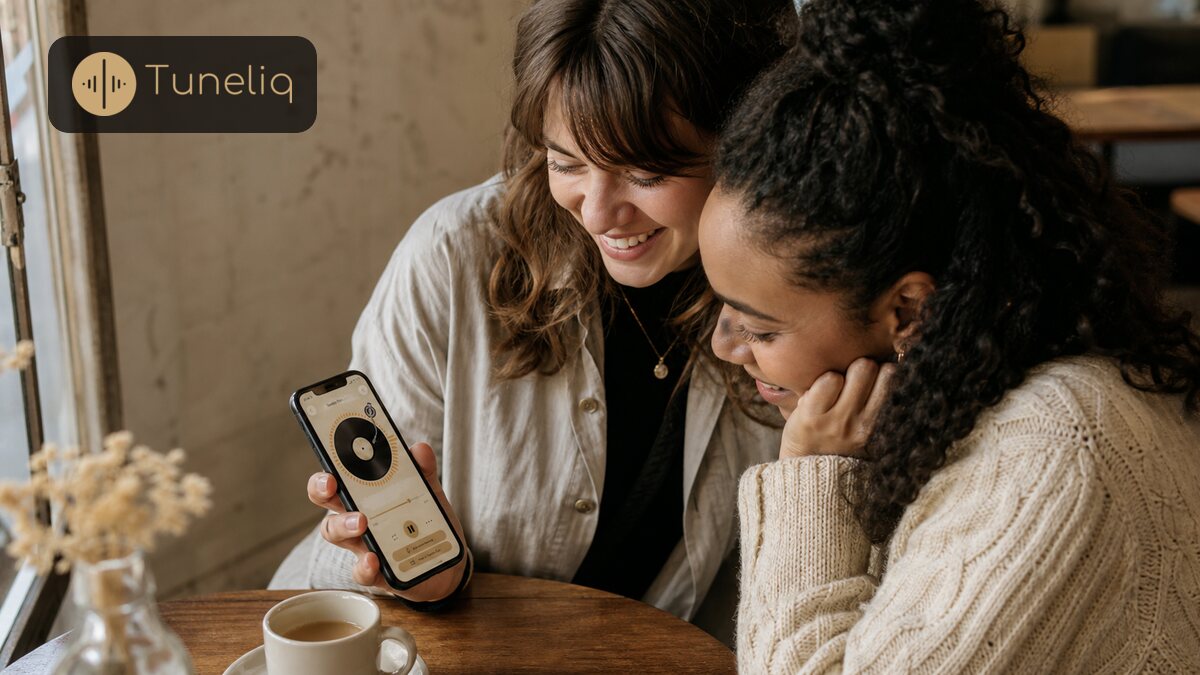
A song you make with Tuneliq, a personalized song gift for one person, stays on your own phone. Nobody else can hear it until you choose to share it. Sharing means creating a link or a QR code for that one song. Stop sharing, and the link goes dead and the song is removed from the cloud. You stay in control, both ways.
Where does your song live before you share it?
A song you make with Tuneliq lives on your own phone. It's local-first. If you never share it, it never leaves your phone and never goes to the cloud. There's no public feed and no profile page. Nobody can stumble onto your song, because there's nothing out there to find. It's yours the way a draft sitting in your notes app is yours. You can keep a song like that for yourself and never send it to anyone.
What does sharing actually do?
Sharing is something you do on purpose. Once a song is finished, you make a link or a QR code for that one song and send it to the person it's for. Say you wrote a birthday song for your mom: you text her the link, she taps it, and the song plays. She doesn't download the app, make an account, or sign up for anything. A QR code works the same way for something you hand over in person: someone points their phone camera at it and the song opens. That's the whole point of the link: it carries one song to one person with nothing in the way.
What happens when you stop sharing?
You can stop sharing whenever you want. It's a control that sits with you inside the app, not a request you file with anyone. The moment you do, the shared copy is removed from the cloud and the link stops working. Anyone who opens the old link after that gets a page that plays nothing. Your original song is untouched, still sitting on your phone. Turning off the link doesn't delete your work; it just pulls back the copy you handed out.
Here's the part worth saying plainly. Tuneliq doesn't keep your song online on its own forever. The share is a switch you control, and you can flip it back off at any time.
One honest limit: if someone already opened the link and screen-recorded it or saved the audio, ending the share can't reach into their phone and undo that. Un-sharing removes the cloud copy and breaks the link from that point on. It can't un-hear what someone already heard. That's true of any link you send anyone, and it's better to know it going in.
Why would you turn a share off, and how is this different from a card?
Real reasons. Maybe you made an anniversary song, sent the link, and now you'd rather it stay between the two of you. Maybe you sent the wrong version and want to kill the old link before anyone opens it. Maybe the moment has passed and you just want the song private again. You don't owe anyone an explanation.
A paper card is gone the second you mail it. You can't ask for it back, and you can't change your mind. A file you drop in a shared cloud folder has the opposite problem: it can sit there public for years because you forgot the link existed. Tuneliq lands in between on purpose. The song is private until you share it, and the share is something you can end with one tap. So you can send something personal today and still change your mind next week. You aren't stuck either way.
How do you make one yourself?
Tuneliq is free to download on the App Store and Google Play, where you can write your first song and keep it entirely to yourself.